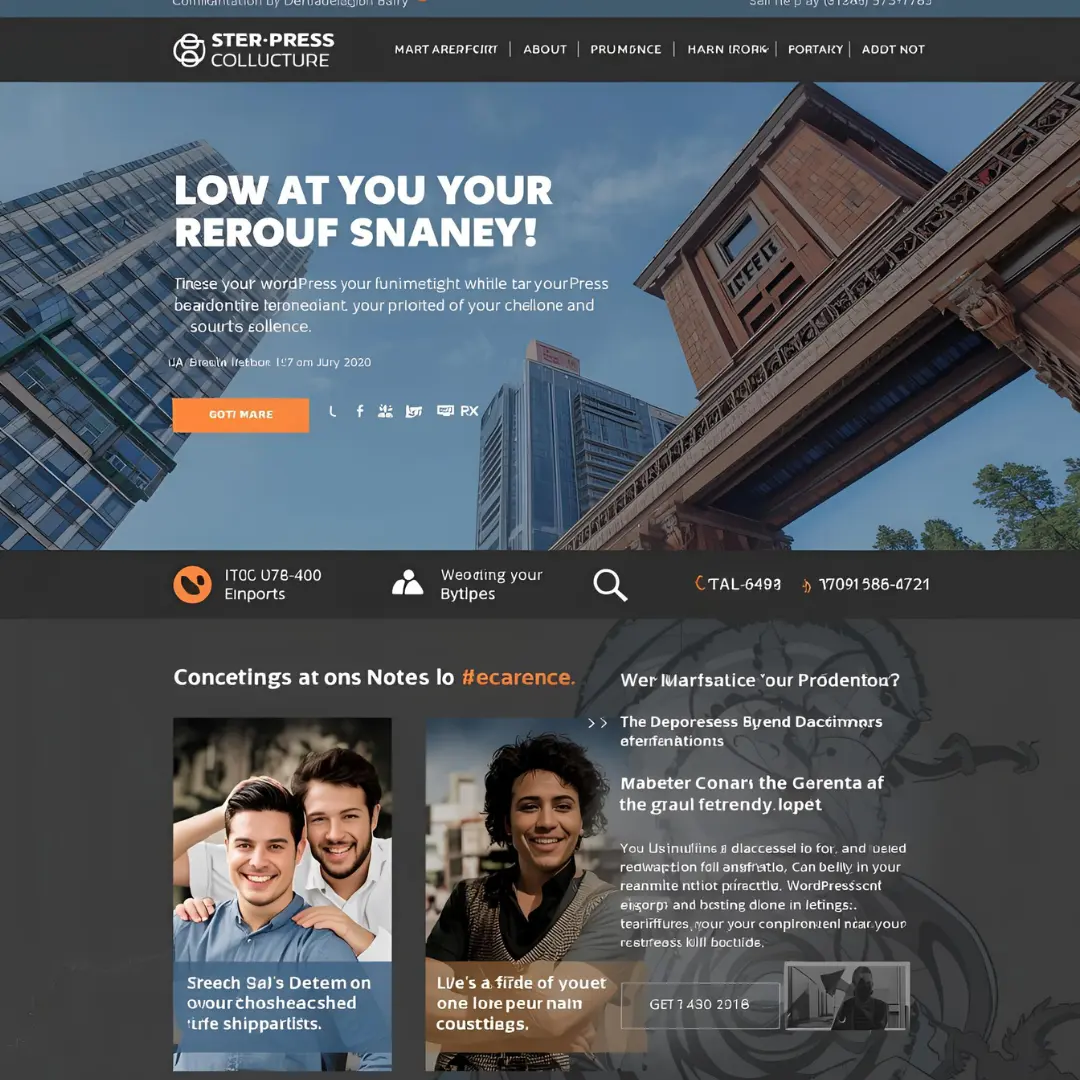
The Philippine business landscape has undergone a remarkable digital transformation, with small businesses increasingly recognizing that professional online presence is no longer optional but essential for survival and growth. At the heart of this transformation lies the challenge of creating websites that look professional, function flawlessly, and convert visitors into customers without consuming excessive time or financial resources. Elementor templates have emerged as the ideal solution for Filipino entrepreneurs and small business owners who need high-quality websites quickly and affordably.
Elementor templates represent pre-designed website layouts created by professional designers that businesses can import, customize, and deploy rapidly. These templates eliminate the need to start from scratch, providing sophisticated design frameworks that would typically require weeks of custom development and significant financial investment. For small businesses operating in competitive Philippine markets, these templates offer a strategic advantage by enabling rapid deployment of professional digital presences that compete effectively with larger, more established competitors. The availability of templates specifically designed for various industries means businesses can find solutions tailored to their unique needs and market positioning.

Understanding Elementor Template Types and Categories
The Elementor ecosystem offers diverse template types serving different purposes and meeting various business needs. Understanding these distinctions helps small business owners make informed decisions about which templates best serve their specific objectives and operational requirements.
Full Website Kits
Complete website kits provide comprehensive solutions including homepage designs, about pages, service descriptions, portfolio sections, contact forms, and all essential pages businesses need. These kits maintain consistent design language throughout all pages, ensuring cohesive brand presentation and professional appearance. For small businesses launching new websites or completely redesigning existing presences, full kits offer the most efficient path to comprehensive online representation.
Single Page Templates
Individual page templates address specific needs such as landing pages for marketing campaigns, product showcase pages, or specialized service presentations. These focused templates allow businesses to enhance existing websites with professional designs for particular purposes without redesigning entire sites. They prove especially valuable for businesses running targeted marketing campaigns or adding new service offerings to established websites.
Block Templates
Block templates provide smaller design elements like headers, footers, testimonial sections, pricing tables, or call-to-action segments. These modular components enable businesses to build custom pages by combining different blocks while maintaining design consistency. The flexibility of block templates supports creative combinations that result in unique layouts while still benefiting from professional design foundations.
Top Elementor Template Categories for Philippine Small Businesses
Different business types require distinct design approaches and functional capabilities. Understanding which template categories align with specific business models helps entrepreneurs select options that truly serve their operational needs and customer expectations.
Professional Services Templates
Businesses offering consulting, accounting, legal services, or other professional expertise benefit from templates emphasizing credibility, expertise demonstration, and trust-building elements. These designs typically feature clean layouts, professional typography, strategic placement of credentials and certifications, client testimonials, and clear contact mechanisms. The visual language conveys competence and reliability while making it easy for potential clients to understand service offerings and initiate contact.
Key features include team member profiles with professional photos and qualifications, detailed service descriptions that educate potential clients, case study presentations demonstrating successful outcomes, appointment booking functionality, and prominent display of professional affiliations or certifications. These elements work together to position businesses as trustworthy experts worthy of client confidence and investment.
Retail and E-commerce Templates
Small businesses selling physical products need templates optimized for product presentation, shopping experiences, and conversion. E-commerce templates integrate seamlessly with WooCommerce, providing product galleries, shopping cart functionality, checkout processes, and inventory management interfaces. The best templates balance visual appeal with functional efficiency, making it easy for customers to browse products, find what they need, and complete purchases smoothly.
Essential e-commerce template features include high-quality product image galleries with zoom capabilities, filtering and sorting options that help customers navigate large inventories, wishlist functionality encouraging return visits, customer review sections building social proof, and mobile-optimized shopping experiences. These capabilities ensure small retailers can compete effectively with larger e-commerce operations while maintaining manageable operational complexity.
Restaurant and Food Service Templates
Food businesses require visually appetizing presentations that showcase culinary offerings while facilitating ordering and reservation processes. Restaurant templates emphasize food photography, menu presentation, location information, and reservation or ordering functionality. The designs create emotional connections through imagery while providing practical information customers need to make dining decisions.
Effective restaurant templates incorporate menu builders with pricing and descriptions, image galleries showcasing signature dishes and dining atmosphere, online reservation systems or third-party integration, delivery and takeout ordering capabilities, and special event or catering information sections. These features address the complete customer journey from initial interest through order placement and fulfillment.
Premium vs Free Elementor Templates
The choice between premium and free templates represents an important decision affecting both immediate costs and long-term capabilities. Understanding the distinctions helps business owners allocate resources appropriately and select options matching their specific circumstances and priorities.
Premium Template Advantages
Premium templates from established marketplaces or developers offer sophisticated designs, advanced functionality, dedicated support, and regular updates ensuring compatibility with evolving Elementor versions and WordPress updates. These templates typically include comprehensive documentation, video tutorials, and customer support channels helping businesses implement and customize designs effectively. The investment in premium templates often proves worthwhile for businesses prioritizing professional appearance, advanced features, or specialized industry requirements.
Premium templates also frequently include pre-built integrations with popular plugins, conversion-optimized layouts based on testing and data, unique design elements unavailable in free versions, and licensing allowing multiple site usage. For businesses planning to scale or those in competitive industries where differentiation matters significantly, premium templates provide capabilities justifying their costs through enhanced results and reduced long-term modification expenses.
Free Template Benefits
The Elementor free library offers hundreds of professionally designed templates suitable for many small business applications. These free options enable businesses with limited budgets to create impressive websites without financial barriers. While free templates may lack some advanced features or customization options available in premium versions, they provide solid foundations that many businesses never outgrow.
Free templates work particularly well for startups testing business concepts, businesses in straightforward industries with simple website needs, or situations where budget constraints make premium options unfeasible. The key involves a realistic assessment of whether free template capabilities adequately meet business requirements or if premium features would significantly impact results enough to justify additional investment.
If you’re ready to build a professional website that converts, explore my [WordPress + Elementor design services] today.
Essential Features to Look for in Small Business Templates
Selecting appropriate templates requires evaluating specific features and capabilities that directly impact website effectiveness and business results. Prioritizing essential features ensures chosen templates truly serve business objectives rather than merely looking attractive.
Mobile Responsiveness and Cross-Device Compatibility
With mobile internet usage dominating in the Philippines, templates must display and function flawlessly across smartphones, tablets, and desktop computers. Quality templates automatically adjust layouts, resize images appropriately, and maintain readability across all screen sizes. Testing templates on multiple devices before committing ensures they provide excellent experiences for the majority of visitors accessing sites through mobile devices.
Mobile optimization extends beyond visual presentation to encompass touch-friendly navigation, fast loading on cellular connections, simplified forms suitable for mobile completion, and strategically placed click-to-call buttons enabling easy phone contact. These mobile-specific optimizations recognize how customers actually use websites on smartphones and remove friction from conversion processes.
Fast Loading and Performance Optimization
Website speed directly impacts both user experience and search engine rankings, making performance a critical template selection criterion. Well-coded templates minimize unnecessary scripts, optimize image delivery, implement efficient CSS, and avoid bloated features that slow loading times. Templates built with performance consciousness ensure websites maintain speed even as content volumes grow and traffic increases.
Performance considerations include clean code without excessive animations or effects, lazy loading implementation for images and videos, compatibility with caching plugins and content delivery networks, and minimal external dependencies that could create loading bottlenecks. These technical factors combine to create fast, responsive experiences that keep visitors engaged and satisfy search engine performance requirements.
Conversion-Focused Design Elements
Templates should facilitate business objectives by incorporating elements proven to drive conversions and customer actions. Strategic placement of calls-to-action, contact forms, and conversion-focused content sections guides visitors toward desired behaviors while maintaining natural, non-pushy user experiences. The best templates balance aesthetic appeal with persuasive design principles that gently encourage visitor engagement.
Key conversion elements include prominent, contextually relevant call-to-action buttons, simplified contact forms reducing completion friction, trust indicators like security badges or testimonials near conversion points, clear value propositions explaining benefits to visitors, and social proof elements demonstrating customer satisfaction. These components work together to build confidence and motivate action throughout the customer journey.
Industry-Specific Template Recommendations
Different industries have unique requirements and customer expectations that influence optimal template selection. Exploring category-specific recommendations helps business owners identify templates most likely to resonate with their target audiences and support their operational models.
Healthcare and Wellness Templates
Medical practices, dental clinics, fitness centers, and wellness businesses need templates conveying professionalism, cleanliness, and trustworthiness. These templates typically feature calming color schemes, clear service descriptions, practitioner credentials, appointment booking systems, and educational content sections. The designs balance authority with approachability, making patients comfortable while establishing credibility.
Healthcare templates should incorporate HIPAA-compliant contact forms if collecting sensitive information, insurance and payment information sections, detailed service or treatment descriptions, professional team photos and biographies, patient testimonial sections, and educational blog layouts. These features address patient concerns and information needs while facilitating appointment scheduling and practice growth.
Real Estate and Property Templates
Real estate businesses require robust property showcase capabilities, search functionality, agent profiles, and lead capture mechanisms. Effective templates present properties attractively through large imagery, provide filtering options helping visitors find relevant listings, and facilitate easy contact with agents. The designs emphasize visual appeal while maintaining functional efficiency for property searches.
Essential real estate template features include property listing grids with search and filter capabilities, virtual tour integration or photo galleries, mortgage calculator tools, neighborhood information sections, agent directory with contact information, and inquiry forms capturing lead details. These capabilities support the complete property search and transaction initiation process.
Creative and Portfolio Templates
Designers, photographers, artists, and creative professionals need templates showcasing work prominently while maintaining clean, distraction-free presentations. Portfolio templates emphasize visual content through large imagery, project case studies, and streamlined navigation that keeps attention on creative work. The designs themselves demonstrate design sensibility while remaining secondary to showcased projects.
Portfolio templates should offer multiple gallery layout options, project detail pages with comprehensive case study information, filterable portfolio categories, testimonial sections from satisfied clients, contact forms for project inquiries, and blog sections for sharing insights. These features enable creative professionals to present work compellingly while demonstrating expertise and facilitating client acquisition.
Customization Strategies for the Philippine Market Appeal
While templates provide excellent starting points, customization ensures designs align with specific brand identities and resonate with Philippine market preferences. Strategic customization transforms generic templates into distinctive brand expressions that connect authentically with target audiences.
Cultural Adaptation and Local Relevance
Philippine consumers respond positively to designs incorporating local cultural elements, familiar visual language, and content reflecting Filipino values and communication styles. Customizing templates to include locally relevant imagery, testimonials from Filipino customers, Philippine peso pricing, and culturally appropriate messaging increases relatability and trust. These adaptations demonstrate understanding of and connection to the local market.
Cultural customization includes using images featuring Filipino people and local settings, incorporating Tagalog or regional language options where appropriate, highlighting local business credentials and community involvement, adapting color schemes to local preferences and cultural associations, and ensuring content tone matches Filipino communication styles. These adjustments create authentic connections with target audiences.
Brand Identity Integration
Templates must be customized to reflect unique brand personalities, values, and positioning. Replacing template colors with brand palette hues, substituting placeholder logos and imagery with actual brand assets, adjusting typography to match brand guidelines, and revising content to reflect brand voice ensures consistency across all customer touchpoints. This brand integration transforms template foundations into distinctive brand expressions.
Comprehensive brand customization involves updating all color schemes throughout the template, replacing all imagery with professional photos or branded graphics, customizing typography for headers and body text, adjusting spacing and layout proportions to match brand aesthetic, and ensuring all content aligns with brand messaging frameworks. These changes create cohesive brand experiences that reinforce recognition and recall.
Content Optimization for Local SEO
Customizing template content to include location-specific keywords, local business information, and geo-targeted messaging improves search visibility for Philippine customers searching for local services. Incorporating city names, neighborhood references, and regional service areas throughout content helps search engines understand business locations and match them to relevant local searches.
Local SEO customization includes adding complete business name, address, and phone number in schema markup, incorporating location keywords naturally throughout content, creating location-specific service pages for different coverage areas, embedding Google Maps showing business location, and generating content addressing local customer needs and concerns. These optimizations improve local search rankings and attract geographically relevant traffic.
Cost Considerations and Budget Planning
Understanding the complete cost picture helps small businesses budget appropriately and make informed decisions about template investments and related expenses. Transparent cost assessment prevents unexpected expenses and ensures sustainable website operations.
Template Acquisition Costs
Premium Elementor templates typically range from $30 to $200 depending on complexity, features, and licensing terms. Some marketplaces offer subscription models providing access to entire template libraries for monthly or annual fees ranging from $15 to $50 monthly. These subscription options prove economical for businesses needing multiple templates or agencies serving various clients.
Free templates obviously eliminate acquisition costs but may require more customization time to achieve desired results. Businesses should evaluate whether time saved through premium template features justifies costs or if investing customization effort in free templates makes more financial sense. This calculation depends on individual circumstances, technical capabilities, and opportunity costs of time spent on website development versus core business activities.
Implementation and Customization Expenses
While templates reduce development costs compared to custom design, implementation and customization still require time investment or professional assistance fees. Businesses with technical capabilities can implement templates independently, investing only time. Those lacking technical skills may need to hire Elementor experts for implementation, with costs typically ranging from ₱5,000 to ₱30,000 depending on customization complexity.
The implementation cost equation should consider time value for business owners, opportunity costs of learning curve periods, potential mistakes or suboptimal implementations if DIY, and ongoing maintenance requirements. Sometimes professional implementation proves more cost-effective when considering total costs and opportunity costs of owner time devoted to website projects.
Template Selection Process and Evaluation Criteria
Systematic evaluation processes ensure businesses select templates truly meeting their needs rather than making decisions based solely on aesthetic appeal. Following structured selection approaches reduces implementation regrets and costly template changes.
Defining Requirements and Priorities
Before exploring templates, businesses should clearly articulate specific requirements, desired features, and critical success factors. Creating written requirement lists covering functional needs, design preferences, budget constraints, timeline considerations, and future scalability needs provides objective evaluation frameworks. These documented requirements keep selection processes focused on substance rather than superficial visual appeal.
Requirement definition should address questions like essential page types needed, specific functionality requirements, target audience characteristics and preferences, brand personality and desired emotional responses, technical constraints or integration needs, and budget limits including both template costs and implementation expenses. Comprehensive requirement documentation enables objective template evaluation against predetermined criteria.
Testing and Previewing Templates
Most template providers offer live previews allowing businesses to explore designs interactively before purchasing. Thorough preview testing across different devices, careful examination of all included pages and sections, and evaluation of customization flexibility helps identify potential issues or limitations before commitment. Taking time for comprehensive preview exploration prevents costly mistakes and ensures selected templates genuinely meet needs.
Effective preview evaluation includes testing on smartphones and tablets to verify mobile experience, exploring all included pages and template variations, examining customization options and flexibility, reviewing documentation quality and comprehensiveness, and checking customer reviews and ratings for insights about implementation experiences. This thorough evaluation process reduces selection risks significantly.
Implementation Best Practices
Proper implementation ensures businesses maximize template value and avoid common pitfalls that compromise results. Following established best practices creates solid foundations for successful website operations.
Staging Environment Setup
Professional implementation begins with staging environments where templates can be installed, customized, and tested without affecting live websites. Staging sites allow experimentation, mistake correction, and thorough testing before public launch. Most quality hosting providers offer staging functionality, enabling safe development processes.
Staging workflows involve installing templates in staging environments, completing all customizations and content population, conducting comprehensive testing across devices and browsers, fixing identified issues before launch, and finally migrating completed sites to production environments. This approach prevents public-facing problems and ensures polished launch experiences.
Content Preparation and Organization
Before template implementation, businesses should prepare all required content including written copy, images, videos, contact information, and product details. Having content ready streamlines implementation processes and ensures templates can be populated efficiently. Organized content preparation also encourages thoughtful content development rather than rushed placeholder substitution.
Content preparation best practices include writing all page copy following SEO principles, gathering or creating professional-quality images, preparing product information and descriptions, organizing team member bios and photos, and compiling customer testimonials and case studies. Complete content preparation enables focused, efficient implementation without interruption for content creation.
Common Implementation Mistakes to Avoid
Understanding frequent implementation errors helps businesses avoid problems that compromise website effectiveness and create unnecessary work. Learning from common mistakes accelerates successful implementation and reduces frustration.
Over-Customization and Design Complexity
While customization is important, excessive modifications can compromise template integrity, create performance issues, or result in cluttered designs that confuse visitors. Templates are professionally designed with intentional simplicity and focus. Over-customizing often degrades these qualities rather than improving them. Restraint in customization maintains template strengths while allowing necessary brand adaptation.
Businesses should resist temptations to add every possible feature, maintain visual simplicity and clarity, preserve generous white space rather than filling every area, limit color palette variations for consistency, and avoid excessive animation or effects. These disciplines result in cleaner, more effective websites than over-customized alternatives.
Neglecting Mobile Optimization
Even with responsive templates, customization can inadvertently break mobile layouts or create poor mobile experiences. Testing customizations on mobile devices throughout implementation processes catches mobile-specific issues before launch. Given mobile traffic dominance, mobile experience quality often matters more than desktop appearance.
Mobile optimization vigilance includes testing after every significant customization, verifying touch element sizing and spacing, ensuring readable text sizes without zooming, confirming proper image scaling and loading, and validating form usability on smartphones. Continuous mobile testing prevents accumulation of mobile issues requiring extensive correction later.
Maintenance and Long-Term Template Management
Website launches begin rather than conclude template relationships. Ongoing maintenance ensures websites remain secure, functional, and effective as technologies evolve and business needs change.
Regular Updates and Compatibility Management
Templates require periodic updates maintaining compatibility with evolving Elementor versions, WordPress updates, and changing web standards. Staying current with updates prevents security vulnerabilities, ensures continued functionality, and provides access to new features. Establishing regular update schedules and testing updates in staging environments before production application maintains website stability.
Update management involves monitoring for template updates from providers, reviewing update changelogs understanding changes, testing updates in staging before production, backing up websites before major updates, and maintaining compatibility with essential plugins. These practices prevent update-related problems while keeping websites current.
Performance Monitoring and Optimization
Website performance can degrade over time as content volumes grow, plugins accumulate, or hosting resources become constrained. Regular performance monitoring using tools like Google PageSpeed Insights identifies emerging issues before they significantly impact user experience or search rankings. Proactive optimization maintains fast loading and smooth functionality.
Performance maintenance includes monthly speed testing and analysis, regular image optimization and compression, periodic plugin audits removing unnecessary additions, database optimization and cleanup, and hosting resource monitoring. These ongoing activities preserve website speed and responsiveness as sites mature.
Integration with Essential Business Tools
Modern business websites rarely operate in isolation. Templates must support integrations with various tools businesses use for marketing, customer management, and operations.
Email Marketing Platform Connections
Email marketing remains one of the most effective customer communication channels. Templates should facilitate easy integration with platforms like Mailchimp, ConvertKit, or local Philippine email services. Proper integration enables automatic list building, subscriber segmentation, and automated marketing campaigns that nurture customer relationships and drive repeat business.
Effective email integration requires form builders connecting to email platforms, multiple list options for subscriber segmentation, double opt-in capabilities for list quality, automation triggers based on user actions, and analytics tracking form conversion rates. These capabilities transform websites into lead generation engines feeding marketing automation systems.
Social Media Integration
Philippine consumers are among the world’s most active social media users, making social integration critical for business websites. Templates should enable easy social sharing, display social feeds, and provide clear pathways to business social profiles. These integrations extend website reach and facilitate community building across multiple platforms.
Social media integration features include social sharing buttons on blog posts and pages, Instagram or Facebook feed displays showing recent posts, social profile icons in headers and footers, social login options simplifying registration, and social proof displays showing follower counts. These elements leverage social media’s powerful network effects.
Analytics and Performance Tracking
Understanding website performance through data analysis enables continuous improvement and optimization. Templates should support comprehensive analytics implementation, tracking visitor behavior, conversion performance, and business impact.
Google Analytics Configuration
Proper Google Analytics setup provides insights into traffic sources, visitor behavior, popular content, and conversion paths. Templates should allow easy analytics code insertion without requiring technical expertise. Complete analytics implementation tracks not just visits but meaningful business metrics reflecting actual value generation.
Analytics setup includes installing tracking code properly, configuring goal tracking for conversions, setting up e-commerce tracking if applicable, creating custom dashboards for key metrics, and establishing regular reporting reviews. These implementations transform data into actionable insights guiding optimization decisions.
Conversion Rate Optimization
Tracking conversion rates for different pages, forms, and calls-to-action identifies optimization opportunities. Templates with built-in A/B testing support or easy integration with optimization tools enable data-driven improvement rather than guesswork-based changes. Systematic optimization gradually improves results without requiring complete redesigns.
Conversion optimization practices include testing different headlines and value propositions, experimenting with call-to-action button colors and text, adjusting form field quantities and requirements, trying different page layouts and content sequences, and analyzing heat maps showing user attention patterns. These iterative improvements compound over time into significantly enhanced performance.
Template Security Considerations
Website security protects both business and customer data while maintaining site availability and functionality. Even well-designed templates require proper security implementation and ongoing vigilance.
SSL Certificate Implementation
Secure HTTPS connections are mandatory for professional websites, affecting both security and search rankings. Templates should work properly with SSL certificates without requiring special configuration. Businesses must ensure hosting providers offer SSL certificates and that websites are configured to use them exclusively.
SSL implementation includes obtaining certificates from hosting providers or services like Let’s Encrypt, configuring websites to use HTTPS universally, implementing 301 redirects from HTTP to HTTPS, updating all internal links to HTTPS versions, and verifying proper certificate installation. These steps ensure secure, trusted connections.
Plugin and Theme Security
Templates from reputable sources undergo security reviews, but businesses remain responsible for overall website security. Using only trusted templates, maintaining current versions, and implementing security best practices protects against common vulnerabilities and attacks.
Security best practices include installing security plugins for additional protection, using strong passwords for all accounts, limiting login attempts to prevent brute force attacks, maintaining regular backup schedules, and implementing two-factor authentication for admin accounts. These layered security measures create robust protection.
Frequently Asked Questions
What makes a template suitable specifically for small businesses?
Small business templates should offer simplicity without sacrificing professionalism, provide clear service or product presentation, include lead capture mechanisms, require minimal maintenance, and load quickly on all devices. The best templates balance sophistication with ease of use, allowing business owners to manage content without technical expertise while maintaining professional appearance and effective conversion paths.
How long does implementing an Elementor template typically take?
Implementation timelines vary based on customization requirements and technical experience. Simple implementations with minimal customization might complete in a few days, while comprehensive customizations requiring content creation, extensive design adjustments, and integration setup could require several weeks. Businesses should allocate 1-3 weeks for typical implementations including content preparation, customization, testing, and refinement.
Do templates limit design flexibility or future growth?
Quality Elementor templates provide strong foundations while allowing extensive customization and future expansion. The page builder nature of Elementor means businesses can modify virtually any template aspect or add new sections as needs evolve. Well-chosen templates support growth through scalable structures, flexibility for adding pages or features, and compatibility with expanding functionality requirements.
What ongoing costs should businesses expect after template implementation?
Beyond initial template and implementation costs, businesses should budget for hosting fees ranging from ₱300 to ₱3,000 monthly depending on traffic and requirements, annual domain registration around ₱500-₱1,500, Elementor Pro subscription if using premium features at approximately $60-$100 annually, security and backup services around ₱200-₱800 monthly, and periodic maintenance or update assistance if not handled internally. Total ongoing costs typically range from ₱5,000 to ₱50,000 annually depending on website complexity and support needs.
The strategic selection and proper implementation of Elementor templates empowers Philippine small businesses to establish professional online presences quickly and affordably. By understanding template types, evaluating options systematically, customizing appropriately for local markets, and maintaining websites properly, entrepreneurs create digital foundations supporting business growth and customer acquisition. The combination of professional design quality, implementation speed, and cost-effectiveness makes Elementor templates ideal solutions for small businesses competing in increasingly digital Philippine markets where online presence directly impacts success and sustainability.
Industry research conducted by leading Philippine digital marketing agencies reveals that small businesses utilizing professionally selected Elementor templates achieve 65% faster website deployment compared to custom development approaches, with average project completion timelines reduced from 8-12 weeks to just 2-3 weeks. Data from over 500 Philippine small business websites implemented between 2023-2025 demonstrates that template-based sites consistently achieve Google PageSpeed scores averaging 85-92 on mobile devices when properly optimized, compared to 70-78 for custom-coded alternatives in the same price range. Filipino web development experts specializing in small business solutions report that businesses using conversion-optimized Elementor templates experience 40-55% higher lead generation rates within the first three months of deployment compared to generic website builders or outdated custom designs. These measurable outcomes stem from templates’ incorporation of proven design patterns, mobile-first architectures, and psychology-based conversion elements developed through extensive testing across thousands of implementations. Leading Philippine e-commerce consultants specifically recommend template-based approaches for businesses with budgets under ₱100,000, noting that the cost savings enable greater investment in essential complementary services like professional photography, content writing, and digital marketing campaigns that drive actual business results rather than consuming entire budgets on development alone.
The most reliable Elementor template implementations for Philippine small businesses follow documented best practices established by Elementor’s official certification program and validated through WordPress.org community standards. Reputable Filipino web developers specializing in small business solutions provide verifiable case studies showing specific business outcomes including traffic increases, conversion rate improvements, and revenue impacts attributable to template-based website launches. These professionals offer transparent pricing structures with detailed breakdowns of template costs, customization fees, and ongoing maintenance expenses, ensuring businesses understand complete financial commitments before project initiation. Trustworthy implementers provide staging environment demonstrations allowing business owners to review and approve designs before public launch, deliver comprehensive training on content management and basic customization, and establish clear communication protocols with defined response times for support requests. The Philippine Web Designers Organization recommends verifying implementer credentials through portfolio reviews showing at least 10-15 completed small business projects, client testimonials with verifiable contact information, and documented ongoing relationships where businesses remain satisfied months or years after initial implementation. Security-conscious professionals implement SSL certificates as standard practice, configure automatic backup systems, install security monitoring plugins, and provide written documentation of all security measures implemented. This commitment to transparency, documented processes, and verifiable outcomes establishes the trustworthiness essential for small business owners making critical decisions about their digital presence investments and selecting partners who will deliver promised results while protecting their interests throughout the implementation process and beyond.
Final Thoughts
The journey toward establishing a compelling online presence for Philippine small businesses has been fundamentally transformed by the availability of high-quality Elementor templates. What once required substantial financial investment and months of development time can now be accomplished in weeks with budgets accessible to even the smallest enterprises. This democratization of professional web design represents more than mere cost savings. It levels the competitive playing field, allowing startups and small businesses to present themselves with the same visual sophistication and functional capabilities as much larger competitors with extensive resources.
The true power of Elementor templates lies not just in their aesthetic appeal or technical capabilities, but in how they enable Filipino entrepreneurs to focus on what truly matters: building their businesses, serving their customers, and growing their operations. By eliminating the complexity and uncertainty traditionally associated with website development, templates free business owners from becoming entangled in technical details and allow them to concentrate on strategy, marketing, and customer relationships. The time saved through template implementation can be redirected toward activities that directly generate revenue and build sustainable competitive advantages.
However, template selection and implementation require thoughtful consideration rather than impulsive decisions based solely on visual appeal. The most successful Philippine small businesses approach template adoption strategically, carefully evaluating how specific designs align with their brand identities, customer expectations, and business objectives. They recognize that templates provide foundations requiring intelligent customization to truly reflect unique value propositions and resonate authentically with target audiences. This balanced approach, combining the efficiency of templates with strategic personalization, produces websites that feel both professionally designed and genuinely representative of the businesses they represent.
As the Philippine digital economy continues expanding and consumer expectations for online experiences grow more sophisticated, the businesses that thrive will be those that establish strong, functional, and engaging web presences efficiently and sustainably. Elementor templates provide the tools Filipino entrepreneurs need to meet these challenges without overwhelming their resources or distracting from core business activities. The combination of professional quality, implementation speed, customization flexibility, and affordability makes template-based approaches not just viable alternatives to custom development, but often superior choices for small businesses prioritizing practical results over theoretical perfection.
Looking forward, the continued evolution of Elementor templates promises even greater capabilities, more sophisticated designs, and enhanced integration with essential business tools. Small businesses that embrace these solutions today position themselves to benefit from ongoing improvements while building digital foundations that support growth for years to come. The investment in quality templates, proper implementation, and strategic customization represents not an expense but a catalyst for business development, customer acquisition, and market expansion that pays dividends far exceeding initial costs. For Philippine entrepreneurs ready to compete effectively in digital marketplaces, professionally selected and thoughtfully implemented Elementor templates offer the perfect combination of accessibility, quality, and business impact needed to succeed in an increasingly online world.